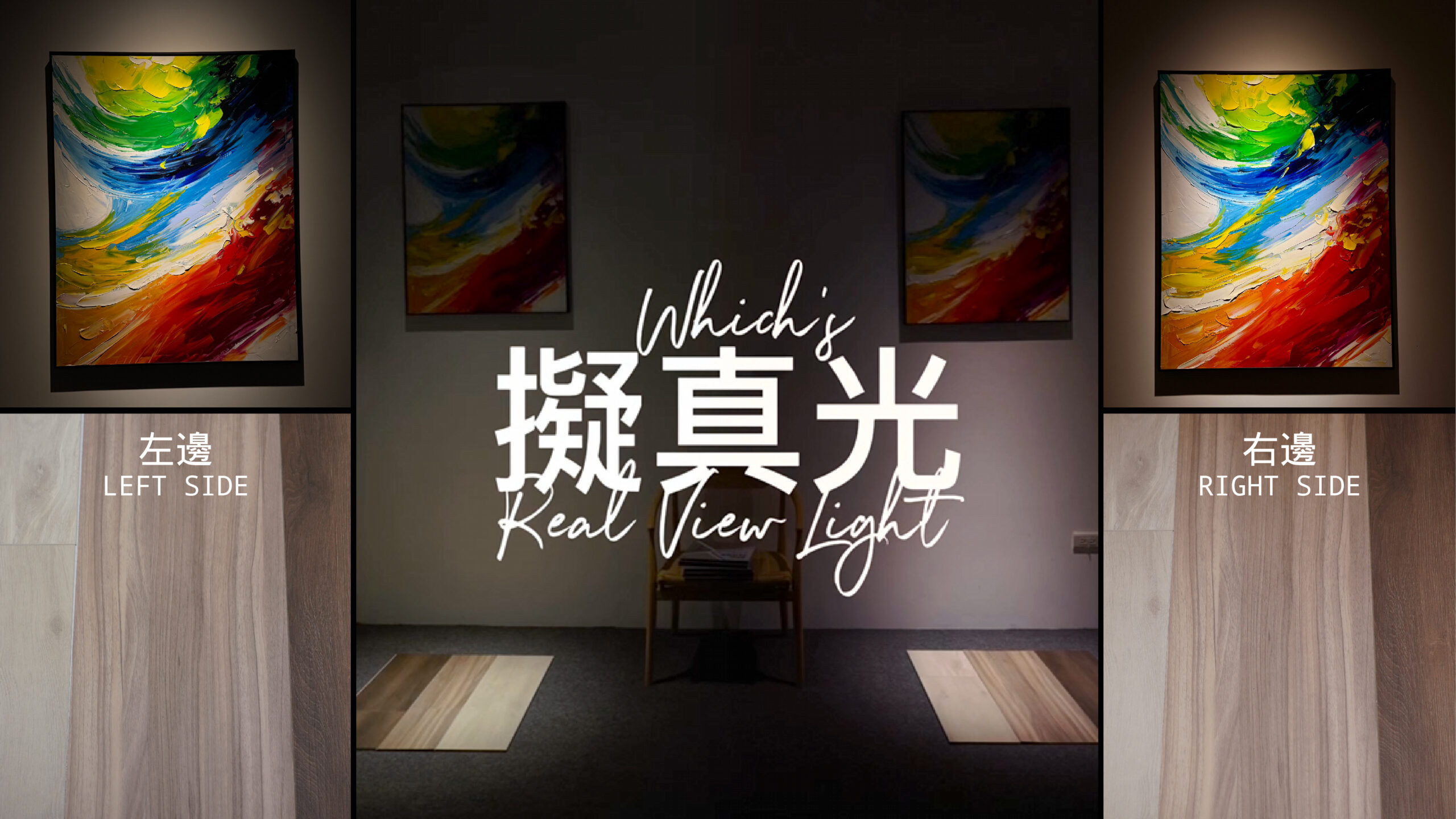
不是更亮,而是更真。
你一定有發現──明明是白光,有的讓人覺得自然柔和,有的卻顯得蒼白刺眼。這並不是亮度的問題,而是「光的真實感」不同。
近年愈來愈常被提起「擬真光(Real View Light)」這個詞,它指的是一種能重現自然光感的人工光源;擬真光不只是一項光源技術,更是一種對「真實觀看」狀態的追求。它不追求炫目的亮度,而是讓光線之下,顏色、質地、表情——都像被晨光照亮的樣子,真實而有溫度。
照明設計的終點,從來不是「讓空間更亮」,而是「讓人更能看見真正的樣子」。這,就是擬真光存在的意義。
Not Brighter, But Truer
You’ve probably noticed this yourself—though both appear as white light, some feel soft and natural, while others look cold and harsh.
This difference isn’t about brightness; it’s about the authenticity of light.
“Real View Light” refers to a new generation of artificial illumination designed to recreate the qualities of natural light.
It’s more than a lighting technology—it’s a pursuit of true visual experience.
Instead of chasing brightness, Real View Light aims to reveal colors, textures, and expressions as they appear under morning sunlight—real, gentle, and full of warmth.
The ultimate goal of lighting design has never been to “make spaces brighter,”
but to allow people to truly see what’s there.
That is the essence of Real View Light.
The Integrity of the Spectrum: From Accuracy to Perception
光譜的完整性:從色準到感知
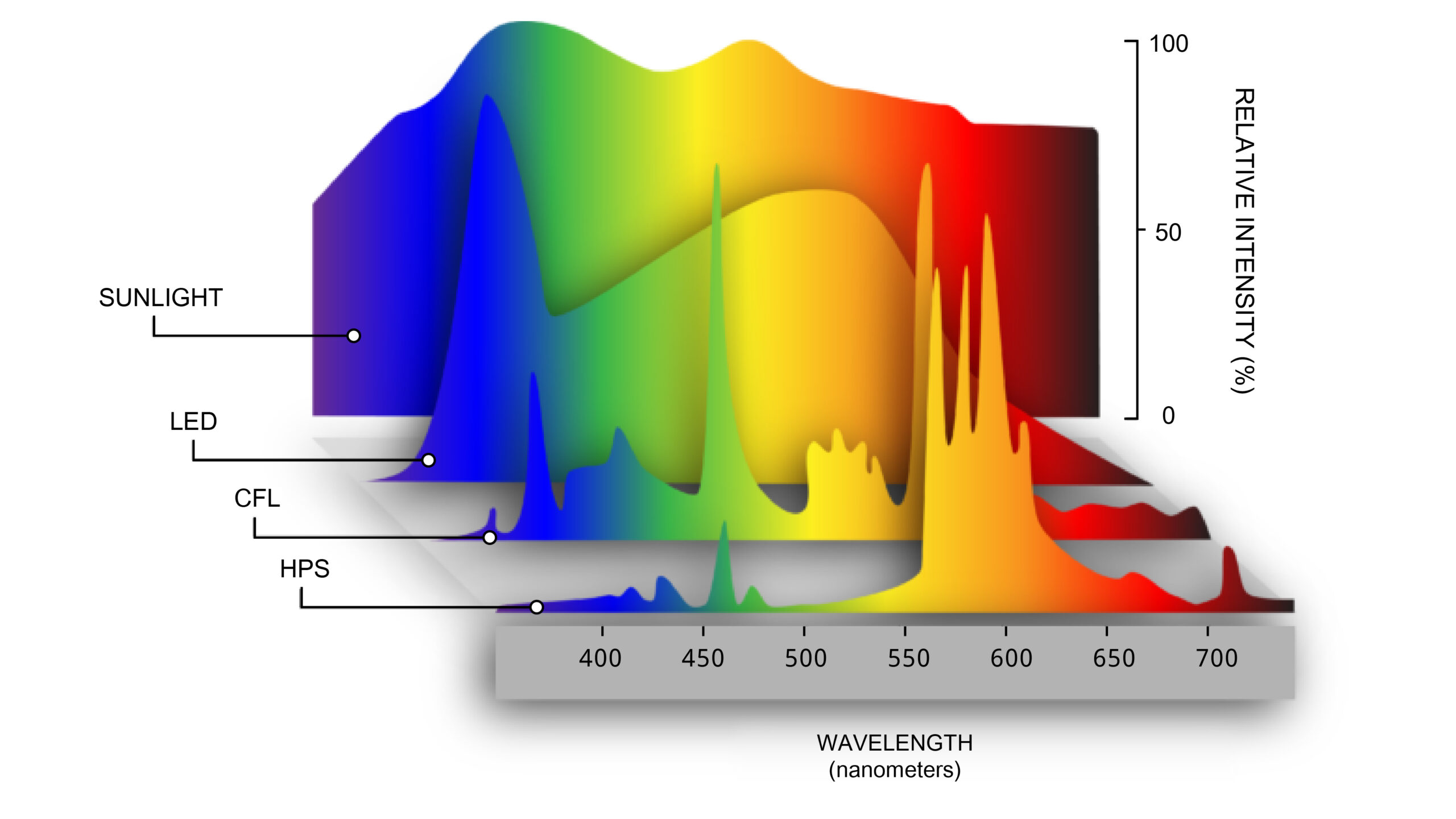
我們在〈光譜與全光譜〉一文中談過:太陽光的光譜連續而飽滿,每個波段都有能量;相較之下,多數LED光源的光譜卻呈現斷裂——藍光偏強、紅光不足,於是皮膚、木材、食材便顯得灰白或僵硬。
.為什麼「連續性」會改變感知?
人眼的顏色感受由視網膜上的三種錐狀細胞(紅、綠、藍)共同完成。它們不是直接「辨認顏色」,而是接收光的能量分布後,再交由大腦解碼。如果光源在某些波段缺乏能量(例如紅光或青綠區不足),大腦就會「誤判」顏色——木頭會變灰、皮膚偏黃、白牆泛綠,於是產生偏色與失真的錯覺。因此,要讓顏色「看起來對」,就必須讓光譜能量分佈保持連續與平衡。
「擬真光(Real View Light)」的核心精神,正是讓光譜能量更連續、更完整,讓每一段波長都能被肉眼如實感受。其技術做法是透過全光譜LED晶片設計,重建各波段的平衡,讓每個區段都穩定輸出;色彩的準確性不再仰賴演算法或後製補償,而是由光本身校正失真。
當光譜更接近自然光時,視網膜接收到的能量更均衡,眼睛無須過度調節去對消色偏,可減少視覺疲勞、降低瞳孔壓力,讓人長時間觀看仍感覺放鬆。
In our previous article “Spectrum and Full Spectrum Light,” we discussed how sunlight’s spectrum is continuous and full across all wavelengths.
Most LEDs, however, show spectral gaps—strong in blue, weak in red—causing skin tones, wood grains, and food to appear pale or rigid.
.Why does spectral continuity matter?
Human color perception depends on three types of cone cells—red, green, and blue—on the retina. These cells don’t “recognize” color directly; they receive energy from different parts of the spectrum and send that information to the brain for interpretation.
When a light source lacks energy in certain bands (for example, too little red or cyan), the brain misjudges color:
wood turns gray, skin appears yellowish, and white walls take on a green tint.
To make colors look right, the energy distribution of light must remain continuous and balanced.
The core philosophy of Real View Light is to restore this spectral balance so that every wavelength can be perceived by the human eye as it naturally should.
Using full-spectrum LED chip design, it reconstructs the energy curve across the visible range—allowing color accuracy to come from the light itself, not from digital correction.
When the spectrum becomes more like natural daylight, the retina receives even energy across all bands. The eyes no longer need to constantly adjust to compensate for color bias, resulting in less strain and greater comfort over time.
.CRI>95,只是開始,不是全部
若你對「顯色指數(CRI)」還不熟悉,可回顧我們之前的〈Color Rendering Index 顯色指數〉專文。該文指出:CRI 用來衡量光源「呈現顏色的正確性」。
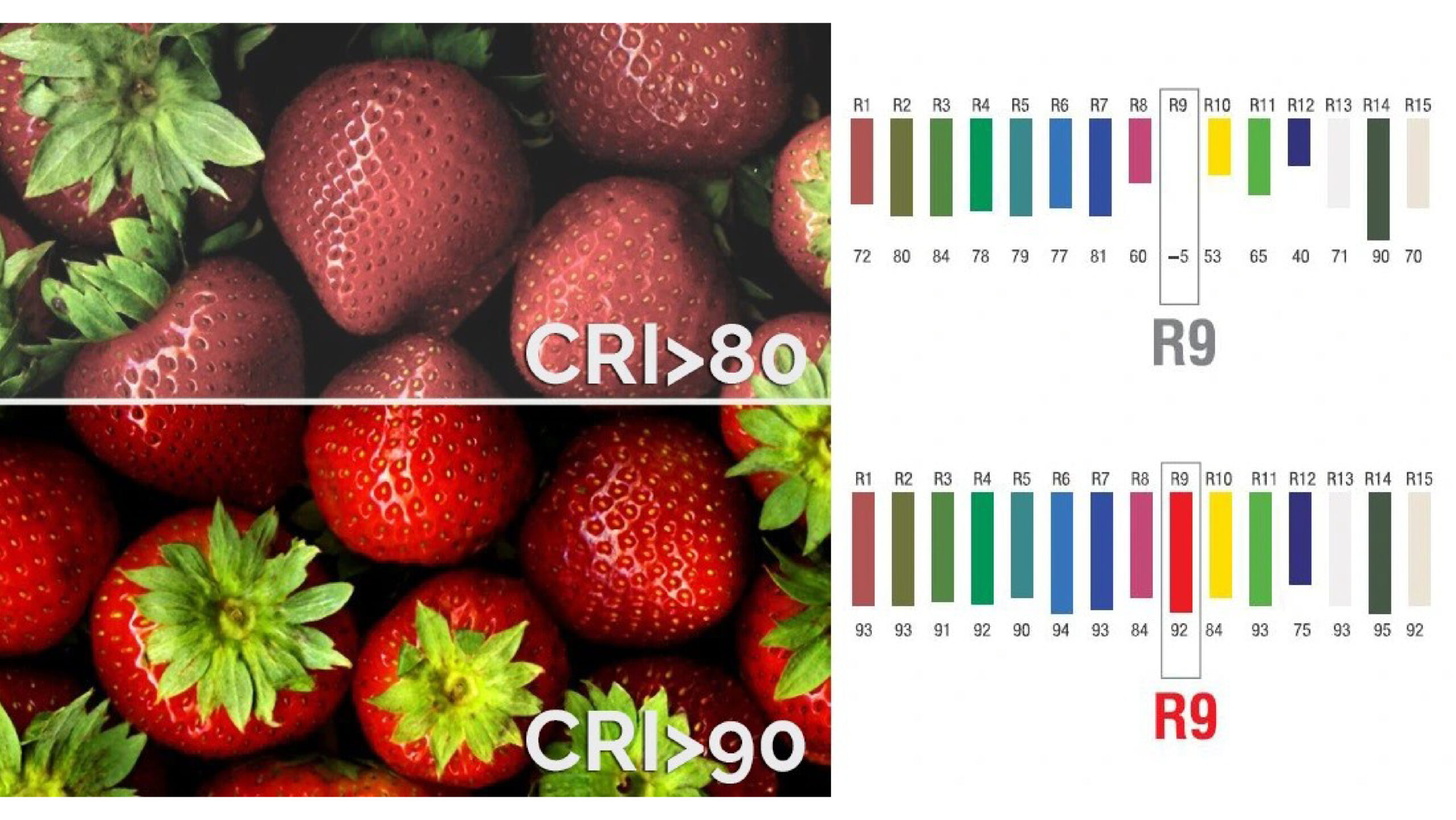
市場上有許多燈具標榜「高顯色」,甚至強調 CRI>95。只要實際比較不同高 CRI 燈具的照射效果,就會發現:高 CRI,未必等於「真實的顏色」。傳統 CRI 只評估八個標準色樣(R1–R8);然而對人眼極為敏感、又最容易失真的紅光(R9)、膚色(R13)、藍綠(R12)並不在傳統平均指標中。於是,即便 CRI 高達 95,只要紅光不足或藍區過強,臉色仍會僵硬、肉品顏色顯得黯淡,布料紋理也缺乏深度。
擬真光強調的不只是平均數字,而是整段色域的平衡:同時優化 R1–R15 的個別顯色表現,特別強化 R9 紅光輸出,並確保光譜銜接自然、能量過渡平順。
因此,在擬真光下:白不再蒼白,紅不再突兀;金屬反光、木質紋理、肌膚氣色皆能自然呈現。這些細微的光譜平衡,讓色彩回到人眼記憶中的「真」。
.CRI >95 Is Just the Beginning, Not the Whole Story
If you’re unfamiliar with the Color Rendering Index (CRI), you can revisit our earlier article “What Is CRI.”
It explains how CRI is used to evaluate a light source’s ability to render colors accurately.
Many products on the market boast “high CRI” ratings—some exceeding 95—but in real use, high CRI doesn’t always mean “true color.”
The traditional CRI (R1–R8) measures only eight standard color samples and excludes those most critical to human vision—red (R9), skin tone (R13), and cyan (R12).
Thus, even a light labeled CRI 95 can make faces look flat, meats dull, and fabrics lose depth if red light is weak or blue light is overpowering.
Real View Light focuses not on averages but on balance—optimizing R1 through R15 individually, enhancing R9 red output, and maintaining smooth spectral transitions across wavelengths.
As a result, whites no longer look washed out, reds appear vivid but not exaggerated, and materials like metal, wood, and skin reveal their natural character.
This subtle harmony of the spectrum brings colors back to the way our eyes remember them.
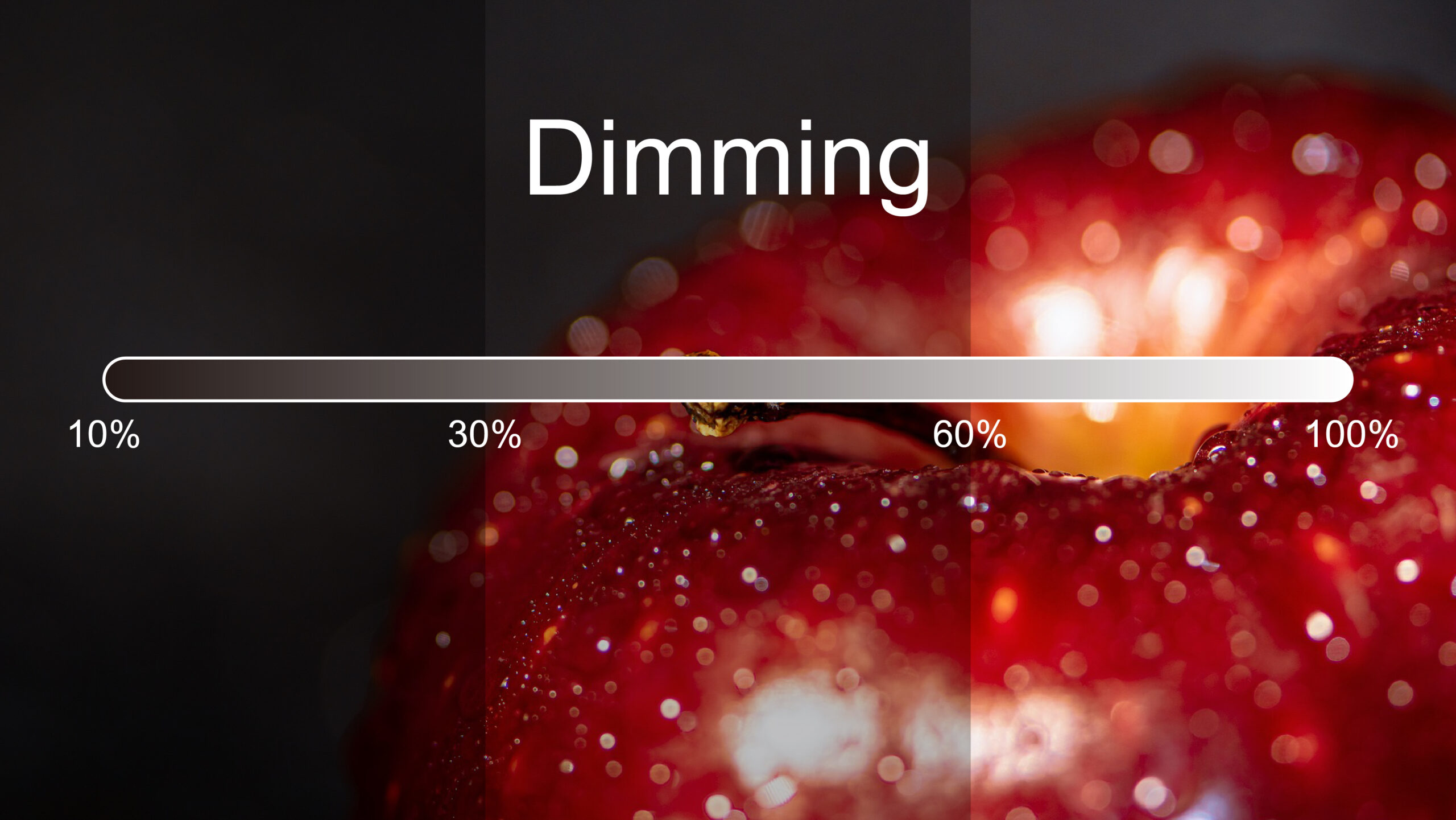
.調光不偏色——穩定的光,才是真實的光
一般LED燈在調低亮度時,常見偏色——亮時偏白,暗時偏黃或偏綠。根源在於驅動電流降低、色溫控制不穩,使光譜輸出比例改變而導致失衡。
擬真光採用高穩定的驅動電源與精密的 PWM(Pulse Width Modulation)控制,讓光譜在不同亮度下仍維持一致比例;無論100%、50% 或 10% 亮度,光譜不變形,色溫依舊穩定。這表示同一盞燈從明亮會議轉為柔和夜晚時,顏色依然如一——亮度 變了,但光質 沒變。
這種「穩定的真實」,讓情境切換不失本質。對照明設計而言,調光不只是明暗,更是「光的情緒控制 」:在用餐、會議、展覽、休息間切換,擬真光能讓氛圍自然轉場、顏色仍舊準確。它特別適合高要求的藝術與商業場域:讓光的變化,不影響色彩的真實。
擬真光是一種穩定而有層次的光;它不是讓人被迫接受的亮度改變,而是能被信任的感知連貫性。因此,「擬真光」不只是色準,更是讓眼睛回歸自然狀態的光。這也是為什麼相機、顯示器再高階,也難以取代肉眼對「真光」的感知——因為真實 不只是一條SPD曲線,而是整個視覺系統對自然光的生理回應。
.Dimming Without Color Shift — Stable Light Is True Light
When most LED lights are dimmed, they tend to shift in color—whiter at higher brightness, and yellowish or greenish when dimmed. This happens because lowering the drive current destabilizes color-temperature control and alters the proportion of spectral output, causing the light to fall out of balance.
Real View Light employs a highly stable driver and precise PWM (Pulse Width Modulation) control system that keeps the spectral ratio consistent at every brightness level. Whether it’s 100%, 50%, or 10% intensity, the spectrum remains intact and the color temperature unchanged. In other words, when the same lamp transitions from a bright meeting setting to a soft evening glow, the brightness changes—but the quality of the light does not.
This kind of stable authenticity preserves the essence of every scene. For lighting designers, dimming is more than adjusting brightness—it’s shaping the mood of light. From dining to meetings, exhibitions to relaxation, Real View Light allows atmospheres to shift naturally while keeping colors true. It is especially suited for high-precision environments such as art galleries or commercial interiors, where light variation must never distort color accuracy.
Real View Light offers a stable yet layered illumination—not a forced change in brightness, but a continuous sensory consistency that can be trusted. Thus, it is not only about color accuracy; it is about bringing the eyes back to their natural state of comfort. That’s also why, no matter how advanced cameras or displays become, they can never fully reproduce what the human eye perceives under real light—
because truth is not merely an SPD curve, but a biological response of our entire visual system to natural illumination.
True Light = True Design
真實光=真實設計
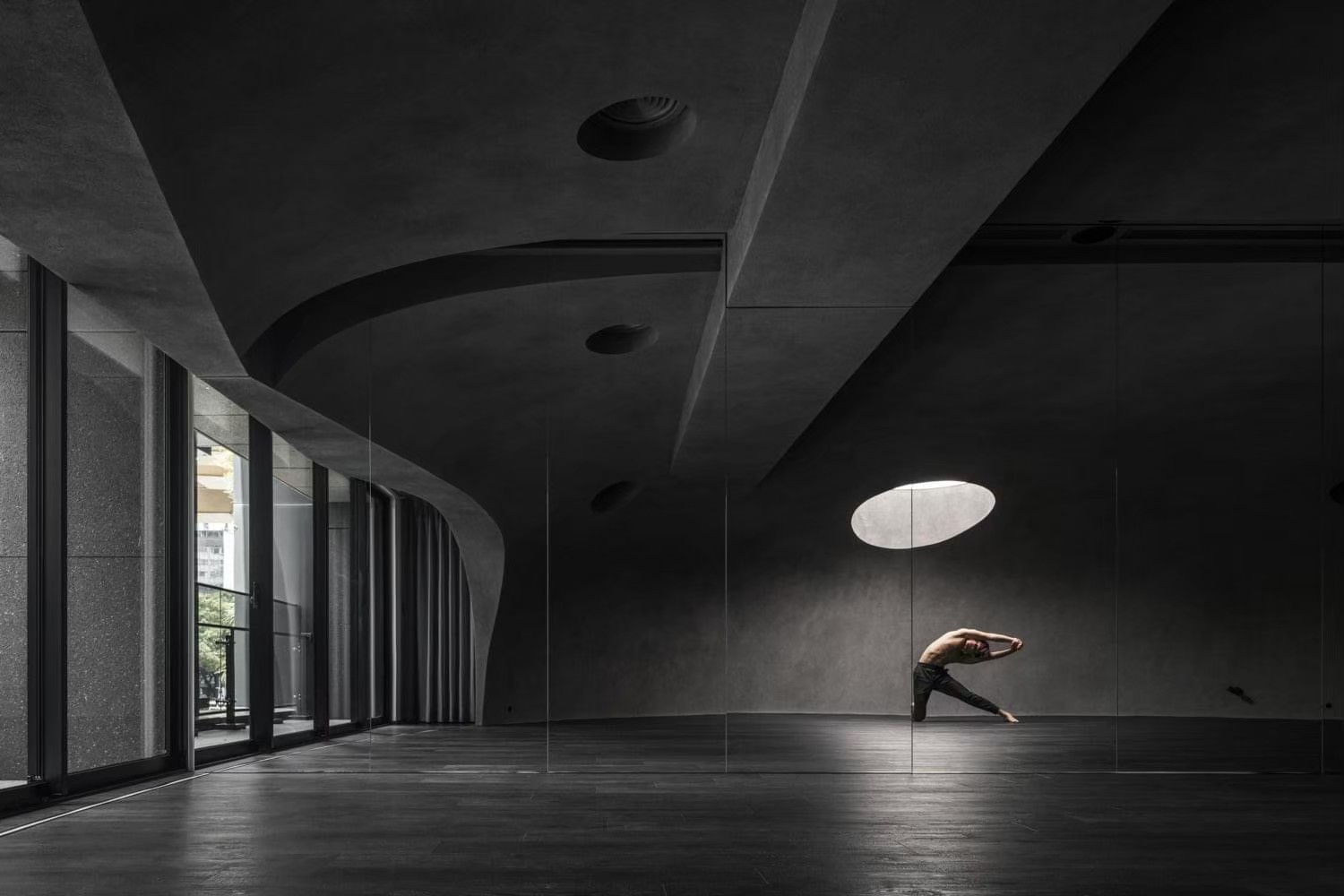
人類對「真實」的感受,往往來自極微小的視覺差異。當我們看一張原木桌面,能感覺到木紋的深淺、光影的起伏,甚至那種微微的溫潤感;這不是因為照得更亮,而是每個波段都被完整、均衡地照亮。
擬真光之所以被稱為 Real View,正因它讓物體的「微差層次」重新被看見;這些層次不只在顏色,也存在於材質反射、陰影邊緣的柔順程度,甚至人的表情細節。
這些效果,並非「多加一盞燈」就能達成,而是光譜分布與顯色品質長期調校的結果。它帶來的是真實而誠實的觀看經驗——你會覺得空氣變得透明,物與物之間的距離更立體,整個空間開始「呼吸 」。
擬真光的舒適,不僅是心理上的放鬆,也源自生理層面的平衡:穩定的光譜讓眼睛減少調節負擔,使人能更長時間專注於真實世界。
Our sense of “reality” often comes from the smallest visual differences.
When we look at a wooden tabletop, we can sense the depth of its grain, the play of light and shadow, the subtle warmth of its tone.
That’s not a matter of brightness—it’s because every wavelength is evenly present.
Real View Light allows these micro-details to be seen again.
It enhances not only color, but also how materials reflect, how shadows soften, and how expressions appear more lifelike.
These effects cannot be achieved by simply “adding more light.”
They are the result of precise spectral engineering and long-term color calibration.
Real View Light delivers an honest viewing experience—you feel the air become clearer, distances between objects more defined, and the whole space begins to breathe.
Its comfort is both psychological and physiological: a stable light spectrum lessens the eye’s workload, allowing longer, more relaxed visual engagement with the real world.
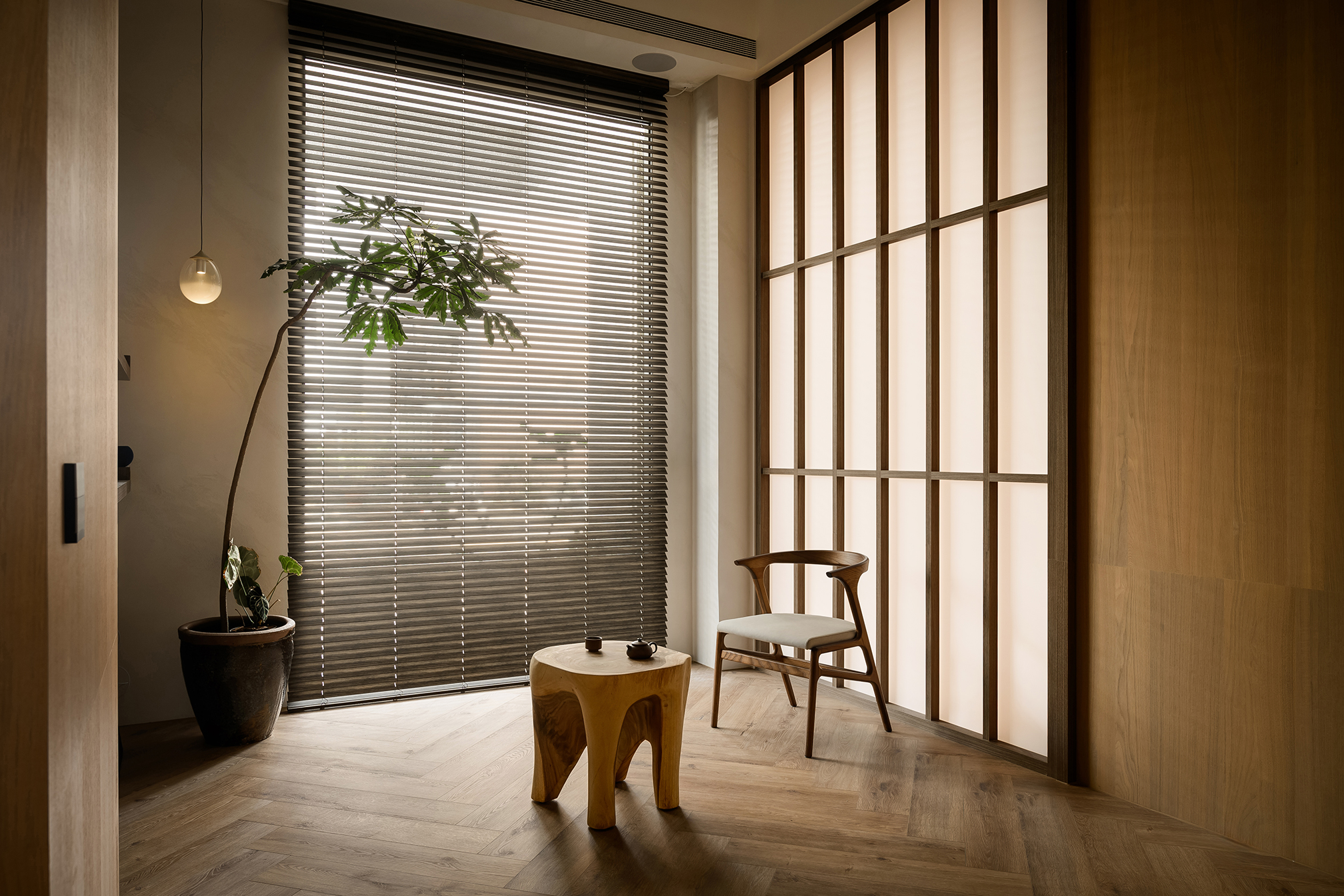
照明工程的歷史曾將焦點放在效率(lm/W):從瓦數、流明到色溫與顯色。如今,我們已能讓光變得極度準確,趨勢也從「看得見 」轉向「看得對 」——擬真光的出現,正是這個轉折。
光線不僅是功能性的照明,更是一種感知媒介——它影響色彩,也影響人與空間的距離感。這不只是技術提升,更是一種對「真實」的設計倫理——讓每一束光,都真實地照亮生活。
當光線誠實,設計才會被如實看見。設計師選擇擬真光,可以更精準地預測最終呈現;這不只是追求色彩更準確、材質更清晰,更是為了讓空間能 誠實地被看見 ——讓每一個設計細節,都被忠實還原於現場,讓人們在那份「看起來剛剛好 」的光裡,感到自然的安心。
光,不應欺騙空間。它的任務,是讓我們看見真正存在的美。再完美的材質與比例,若被錯誤的光照亮,終究會失去本質。
Throughout the history of lighting, the focus has shifted from wattage and lumens to color temperature and rendering.Now that light can be made extremely accurate, the new direction is clear: from seeing more to seeing right.
Real View Light embodies this transformation.
Light is no longer just a functional tool—it’s a medium of perception, shaping not only how colors appear but how we relate to space itself.
This is not just technological progress; it’s a design ethic—ensuring that every beam of light reveals, rather than distorts, reality.
When light is honest, design can be seen truthfully. For designers, Real View Light means being able to predict the final outcome with confidence. It’s not only about precise color or clean texture—it’s about creating spaces that can be seen as intended.
Light should never deceive a space; its role is to reveal the beauty that already exists.
Even the finest materials and proportions lose their essence if illuminated by the wrong light.
The Experience of Seeing with Real View Light
擬真光的實際應用好處
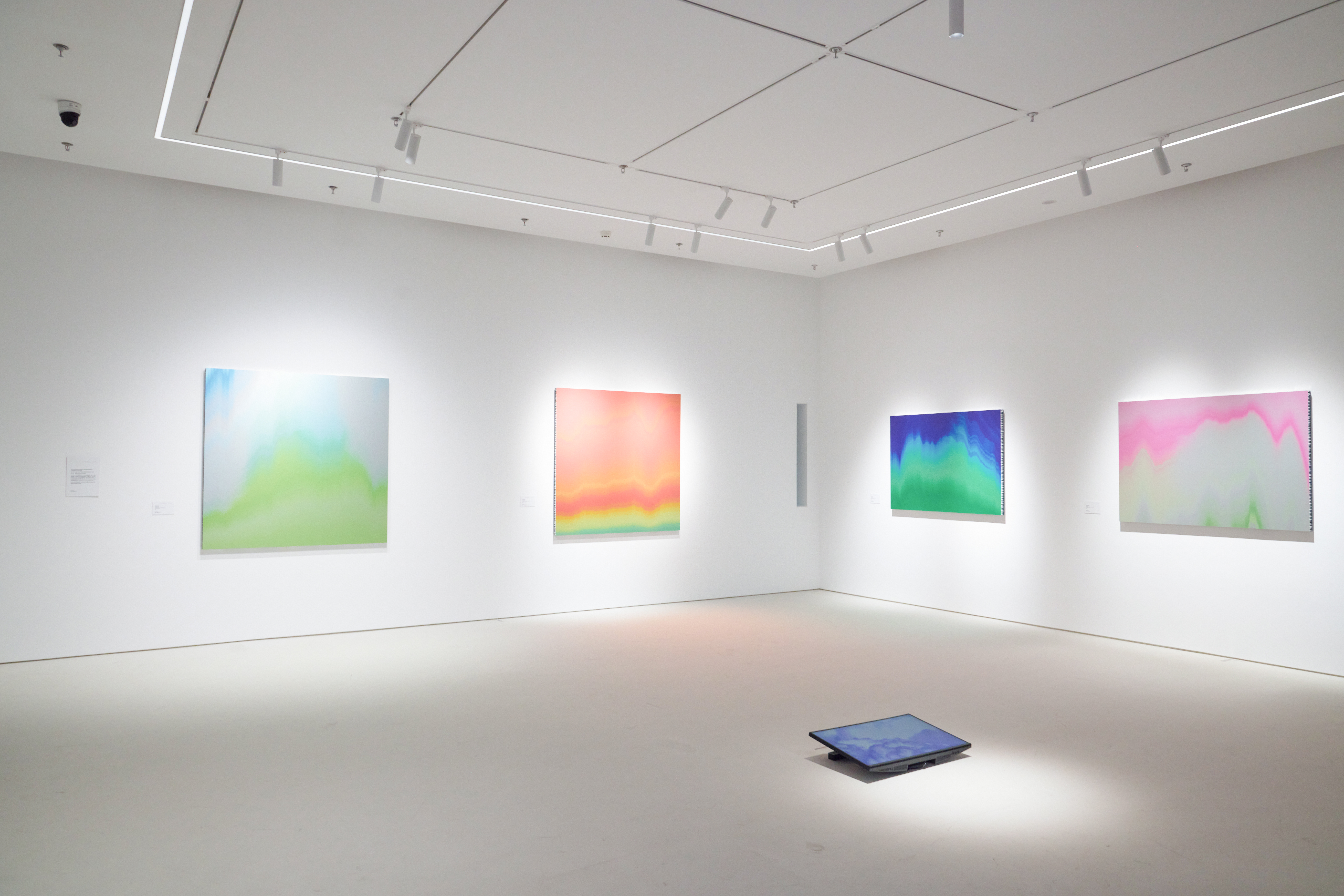
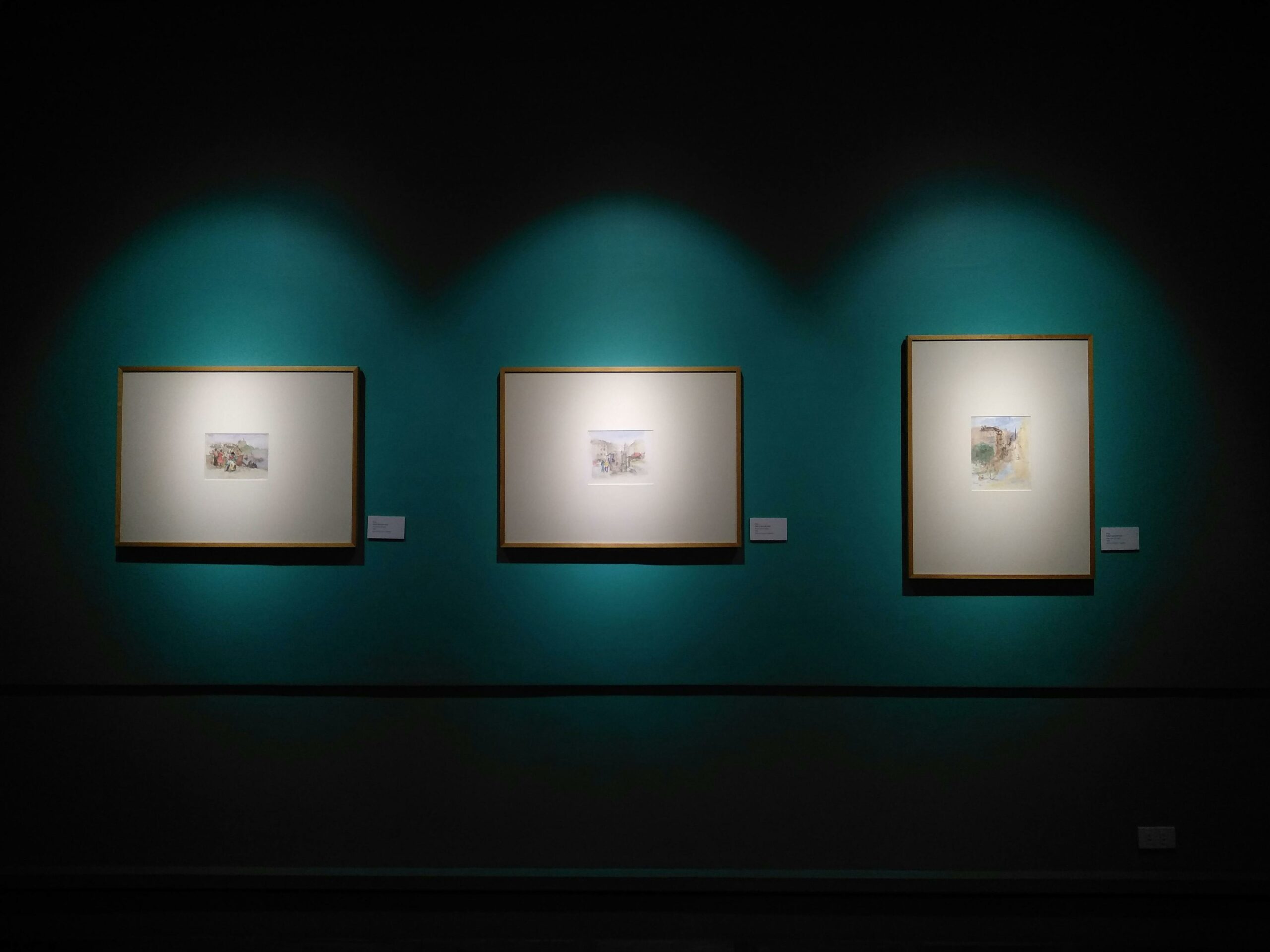
展場
擬真光讓畫作筆觸更立體、細節更清晰。
In galleries, it makes brushstrokes more dimensional and details clearer.
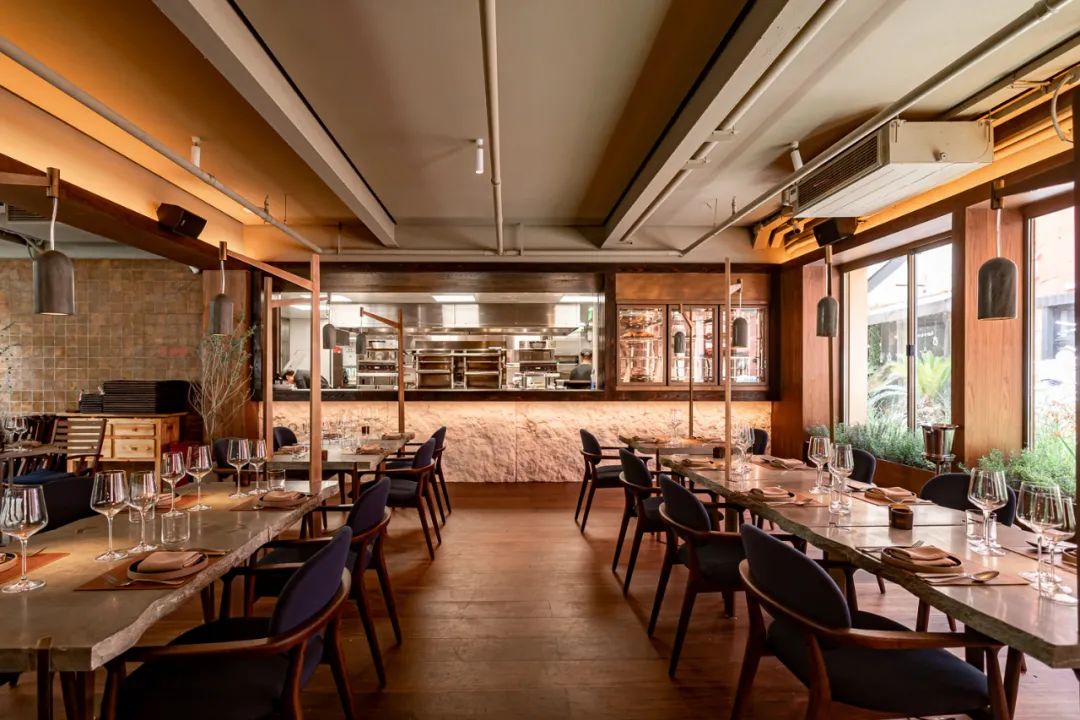
餐廳
擬真光讓食物色澤更飽滿,空氣氛圍更溫暖。
In restaurants, it enriches food colors and warms the atmosphere.
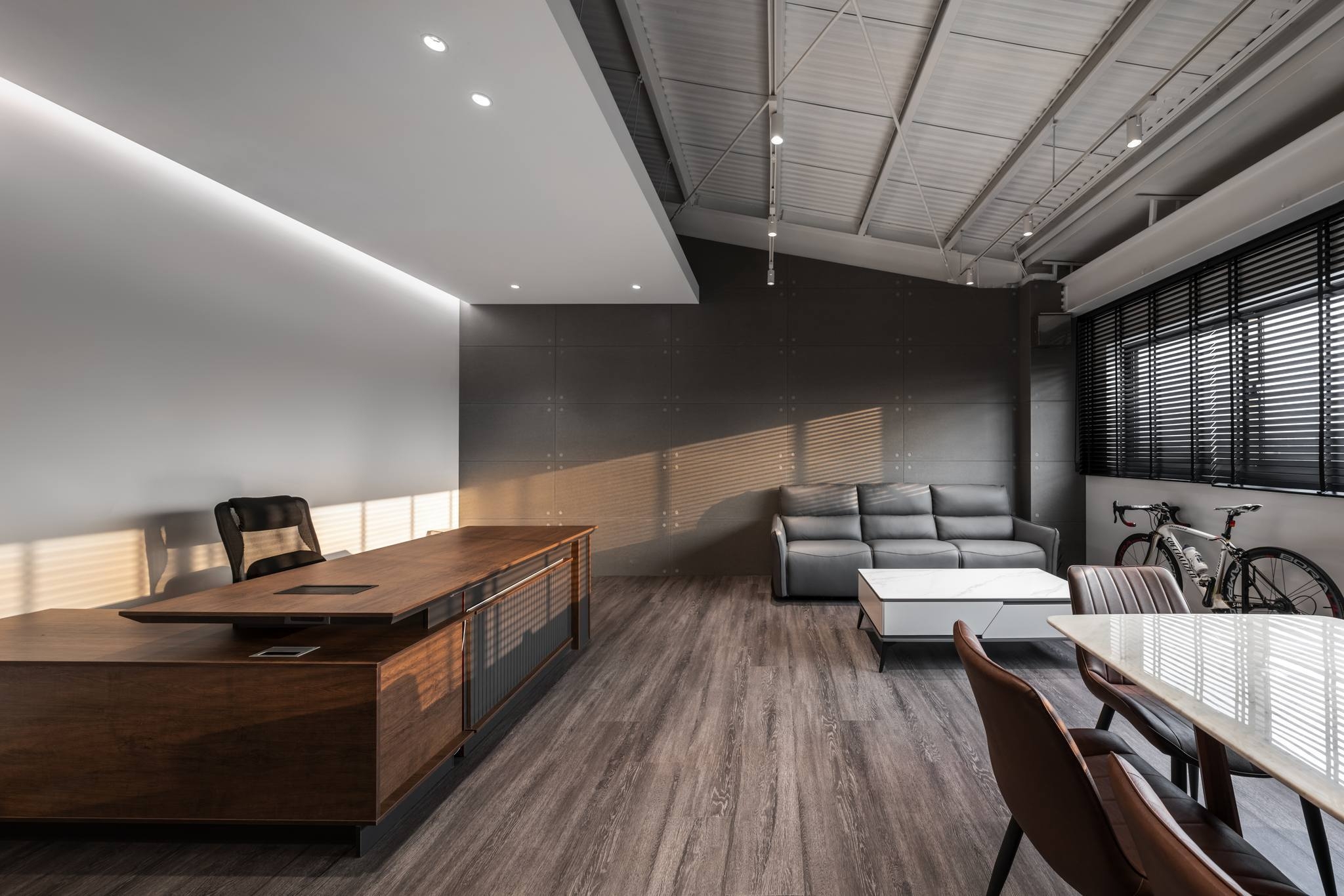
辦公室
擬真光減少視覺疲勞,維持專注卻不壓迫。
In offices, it reduces visual fatigue and maintains focus without strain.
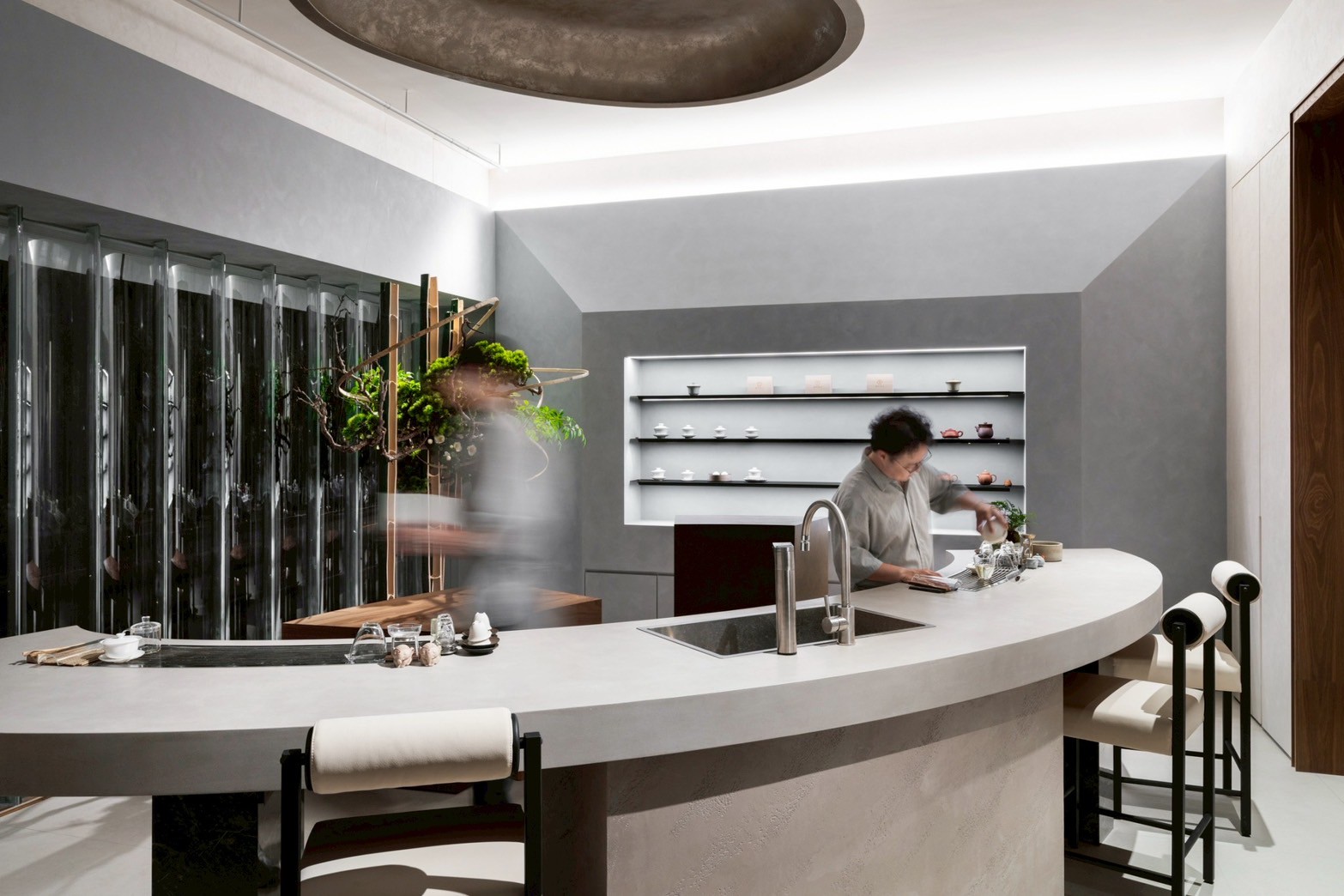
商空
擬真光讓材質分界更清楚、色彩更有層次。
In retail spaces, it defines materials and textures with clarity.
The Value of Light Lies in Its Truth
光的價值,來自真實
需要釐清的是:「擬真光」並不是炫技,也不是市場包裝出的名詞。它的出現,是為了讓照明重新回到「人」的感受,讓技術成為情緒的延伸;不再只是模仿太陽光的物理曲線,而是針對人眼知覺與空間情緒所做的光譜優化。
從技術走向感知,從數據走向情緒,擬真光正是當代照明邁向人文美學的重要轉折;它讓我們在人工光環境下,仍能擁有接近自然日光的心理舒適度。
建築師、室內設計師、照明規劃者,正在讓光的表現回到 人眼的感受 ,而非僅依賴儀器的測值。因為在現代生活中,我們大多時間都被人工光包圍;若光線長期偏差——不論色偏、閃頻、或光譜缺口——不只影響美感,也會逐漸改變我們對「真實世界」的認知。
擬真光的出現,是對此的回應;它是一種責任,也是一種修正——讓人們在人工光中,仍能保有自然光下的知覺準確。
因為當光是真實的,所有被照亮的事物——才會真正動人。
Let’s be clear: Real View Light isn’t a marketing term or a show of technical prowess.
It exists to bring lighting back to human perception—where technology serves emotion, not the other way around.
Rather than imitating the sun’s physical spectrum, it refines artificial light based on how the human eye and mind experience it.
From science to sensation, from data to emotion—Real View Light marks a vital shift toward the humanistic side of modern lighting.
It allows us to experience artificial light with the same psychological comfort as natural daylight.
Architects, interior designers, and lighting planners are increasingly designing light to match how people see, not just what instruments measure.
Because in our modern world—dominated by artificial illumination—prolonged exposure to color shifts, flicker, or spectral gaps can subtly distort not only aesthetics but our perception of reality itself.
Real View Light is a response to that challenge—a form of correction, and a kind of responsibility. It ensures that even under artificial light, our sense of the world remains true to what it is.
When the light itself is real, everything it touches becomes truly beautiful.
希望本篇能幫您更好地理解擬真光,並在未來的設計與規劃中,創造更自然舒適的環境。
We hope this article helps you better understand Real View Light, and inspires you to create brighter, more natural, and more comfortable environments in your future designs.
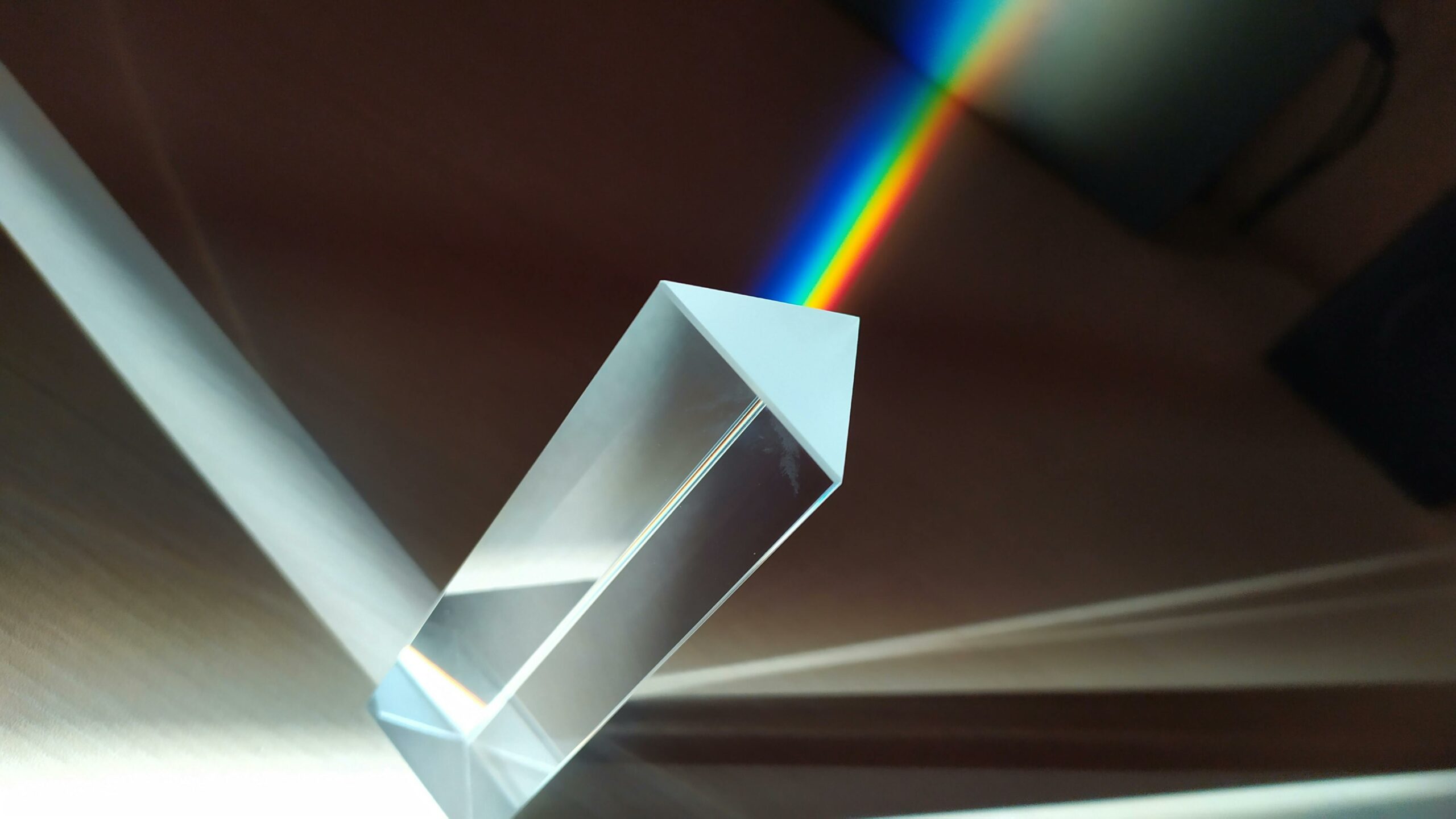
光譜與全光譜:自然光的祕密
What Is a Spectrum?什麼是光譜? What Is …