光,不只是亮度。我們習慣說「這裡太暗」、「那裡太亮」,或用「偏黃」、「偏白」來形容燈光色調。但這些形容詞,往往只涉及「光的量」與「光的感覺」,卻忽略了光真正的本質——光譜。
光譜(Spectrum)是一道光的「DNA」。
它告訴我們,這道光由哪些顏色組成、能量如何分布。一盞燈的顏色、氣氛、甚至能不能準確還原物體原色,都取決於這條光譜曲線。
光譜看不見,但卻無處不在。太陽光的光譜是自然界最完美的典範——紅、橙、黃、綠、藍、靛、紫,每個波段的能量幾乎連續。這也是為什麼在自然光下,顏色看起來總是自然、柔和、沒有違和。
而 LED 燈誕生後,照明世界變得更高效、更靈活,卻也因此出現了另一個問題:當光譜不完整,光的真實感就會消失。
Light is more than brightness. When we talk about lighting, we often describe it as too bright or too dim, too yellow or too white. But these descriptions only touch on the quantity and appearance of light—not its true essence: the spectrum.
The spectrum is the DNA of light.
It reveals what colors make up the light and how energy is distributed. The tone, atmosphere, and color accuracy of a lamp are all determined by this spectral curve.
Although invisible to the eye, the spectrum is everywhere.
The spectrum of sunlight is nature’s most perfect model—
a seamless, continuous distribution across all wavelengths. That’s why colors under natural light always appear balanced, soft, and authentic.
When LEDs entered the scene, lighting became more efficient and controllable,
but something was lost along the way:
When the spectrum becomes incomplete, light loses its sense of reality.
What Is a Spectrum?
什麼是光譜?
「光譜」這個詞聽起來像是物理實驗室的專有名詞,但其實非常直觀。
白光只是多種波長的光混合在一起。
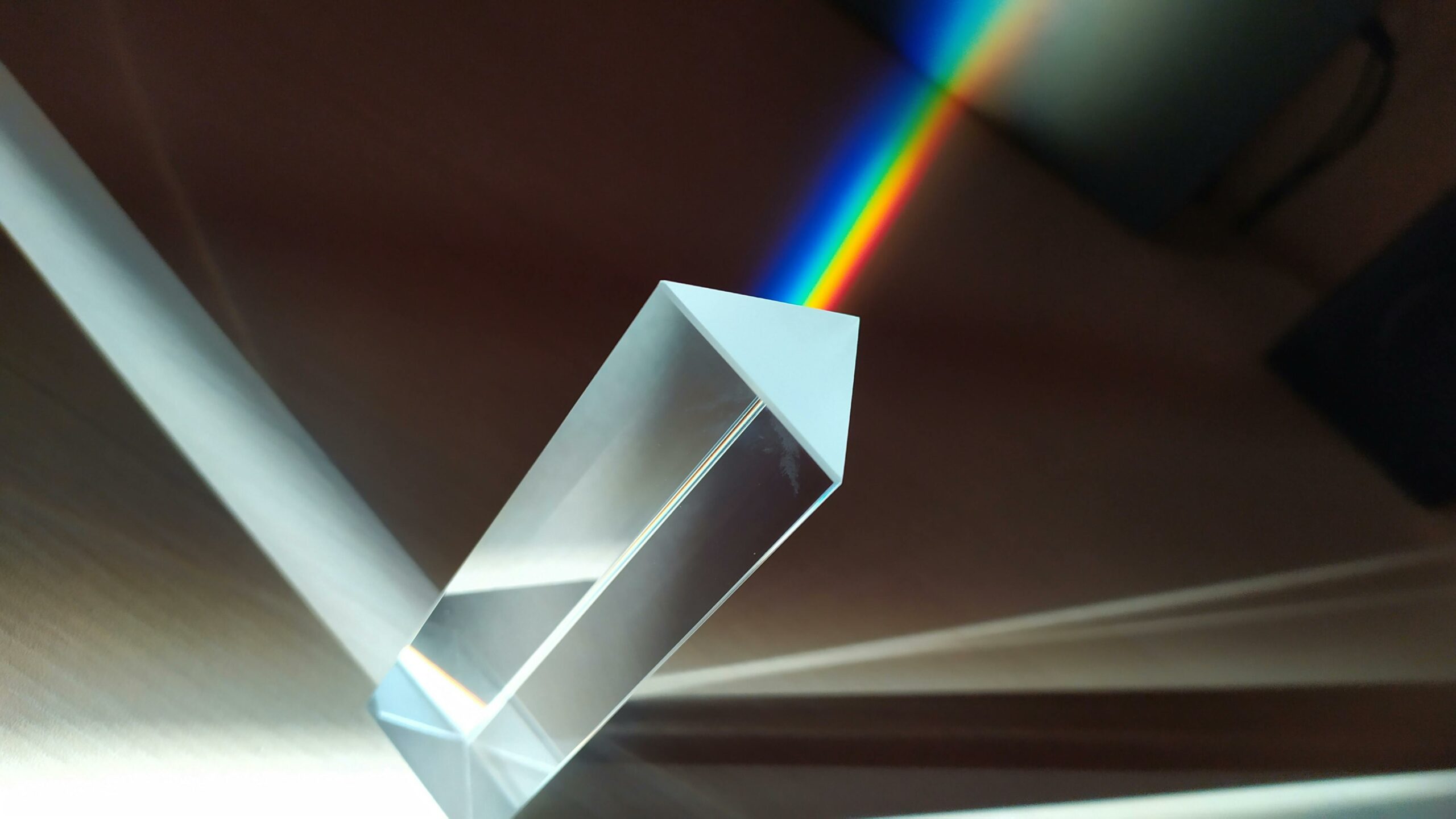
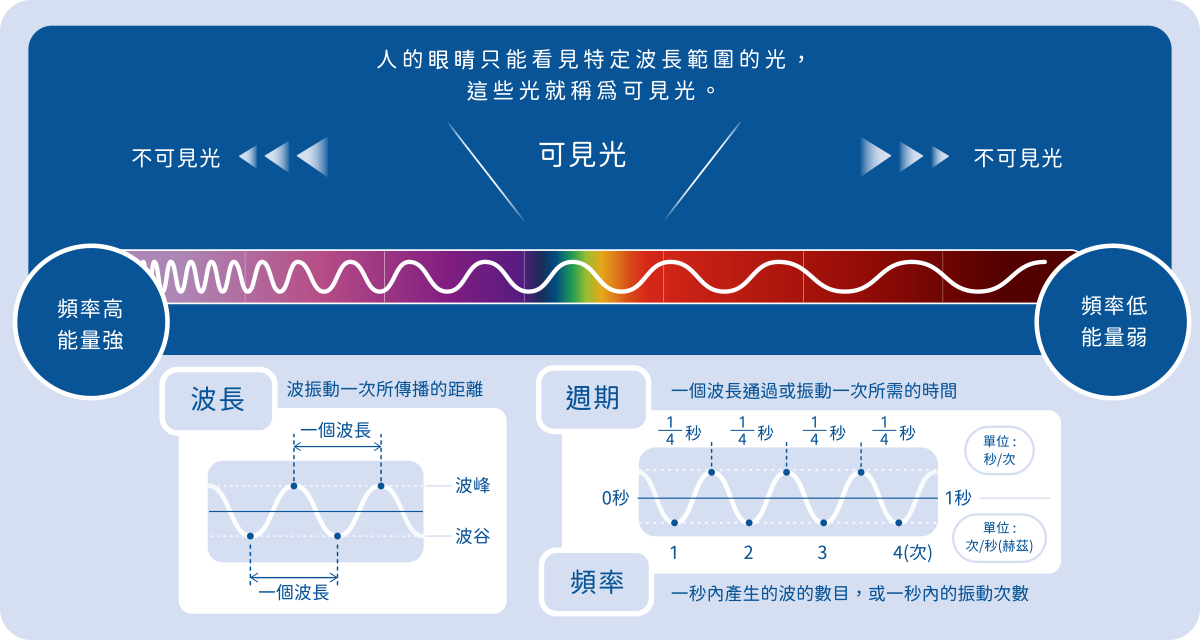
當光通過棱鏡或光學分光儀時,就會被拆解成一條條顏色帶。每個波長代表不同的顏色與能量——波長越長,偏向紅色;波長越短,偏向藍紫。
在照明科學中,我們會用 SPD(Spectral Power Distribution)曲線,來描述一個光源在各個波長上的能量分佈。
這條曲線決定了:
.一盞燈的顏色偏暖還是偏冷、
.能不能準確顯色、
.甚至會不會讓人眼覺得刺眼或疲倦。
如果把光譜比喻成音樂,太陽光是一首完整的交響樂——所有音符都在,和諧、飽滿。而許多人工光源,只是取了幾個音符重新組成旋律。聽起來雖然像音樂,卻少了靈魂。
The word spectrum might sound like a laboratory term, but it’s actually quite intuitive.
White light is simply a combination of multiple wavelengths.
When passed through a prism or spectrometer, it breaks apart into bands of color. Each wavelength corresponds to a different color and energy level—
longer wavelengths appear red, shorter ones appear blue or violet.
In lighting science, we use the SPD (Spectral Power Distribution) curve to describe how a light source distributes energy across wavelengths.
This curve determines:
.whether a lamp appears warm or cool,
.how accurately it renders colors,
.and even whether it causes glare or eye strain.
If the spectrum were a piece of music, sunlight would be a full symphony—
all the notes are there, harmonious and rich. Most artificial lights, however, are simplified versions, playing only a few notes from the score. It may sound like music, but it lacks soul.
自然光與 LED 光的差異?
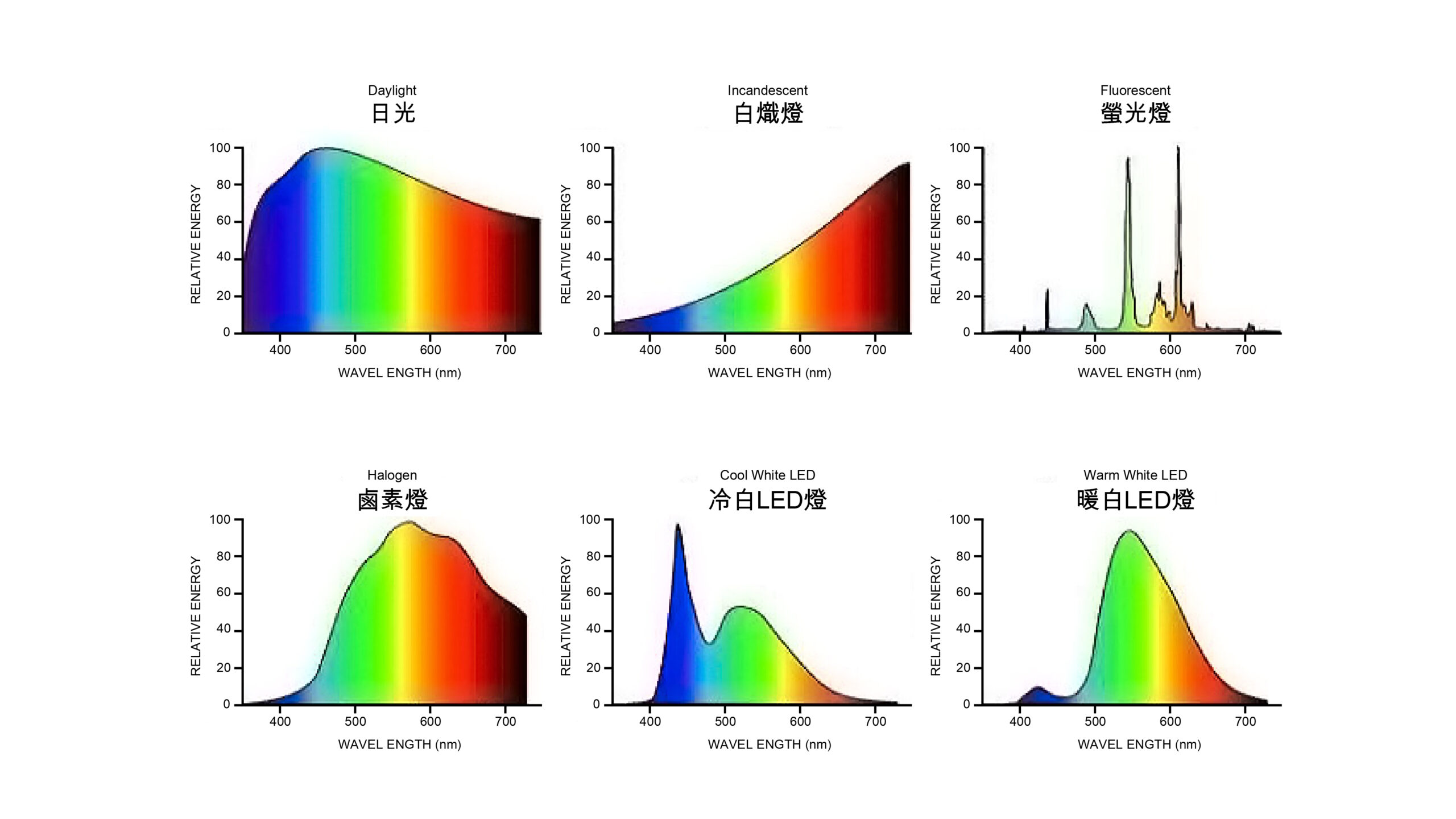
太陽光的光譜分佈極為平滑。
從 380nm 的藍光到 780nm 的紅光,每個波段都連續存在,這讓人眼所見的世界色彩豐富而穩定。
然而LED光譜並不連續。
多數白光 LED 是「藍光晶片 + 黃色螢光粉」的組合。藍光峰值明顯偏高,紅光能量則明顯不足。這樣的光譜雖然效率高、壽命長,但少了自然光的中紅段能量,照在皮膚上容易顯得蠟黃,木質與皮革會失去暖調,布料顏色也容易顯得乾扁無層次。
尤其在攝影、精品展示或餐飲空間中,這樣的光會讓畫面缺乏深度,甚至產生一種「漂白感」。換句話說,並非亮度不足,而是光譜失衡。
Natural Light vs. LED Light?
Sunlight has a perfectly smooth spectral distribution.
From 380 nm (blue) to 780 nm (red), energy flows continuously, allowing the human eye to perceive a wide and stable range of colors.
LED light, by contrast, is discontinuous.
Most white LEDs are created by combining a blue LED chip with yellow phosphor.
This produces a strong blue peak but lacks energy in the red range.
Such spectra are highly efficient and long-lasting, but without the mid- to long-wave red components of sunlight, skin appears dull, wood loses warmth, and fabrics look flat.
In photography, retail, and dining environments, this imbalance often causes images to feel lifeless—not because the light is dim, but because the spectrum is unbalanced.
What Is Full Spectrum Light?
什麼是全光譜?
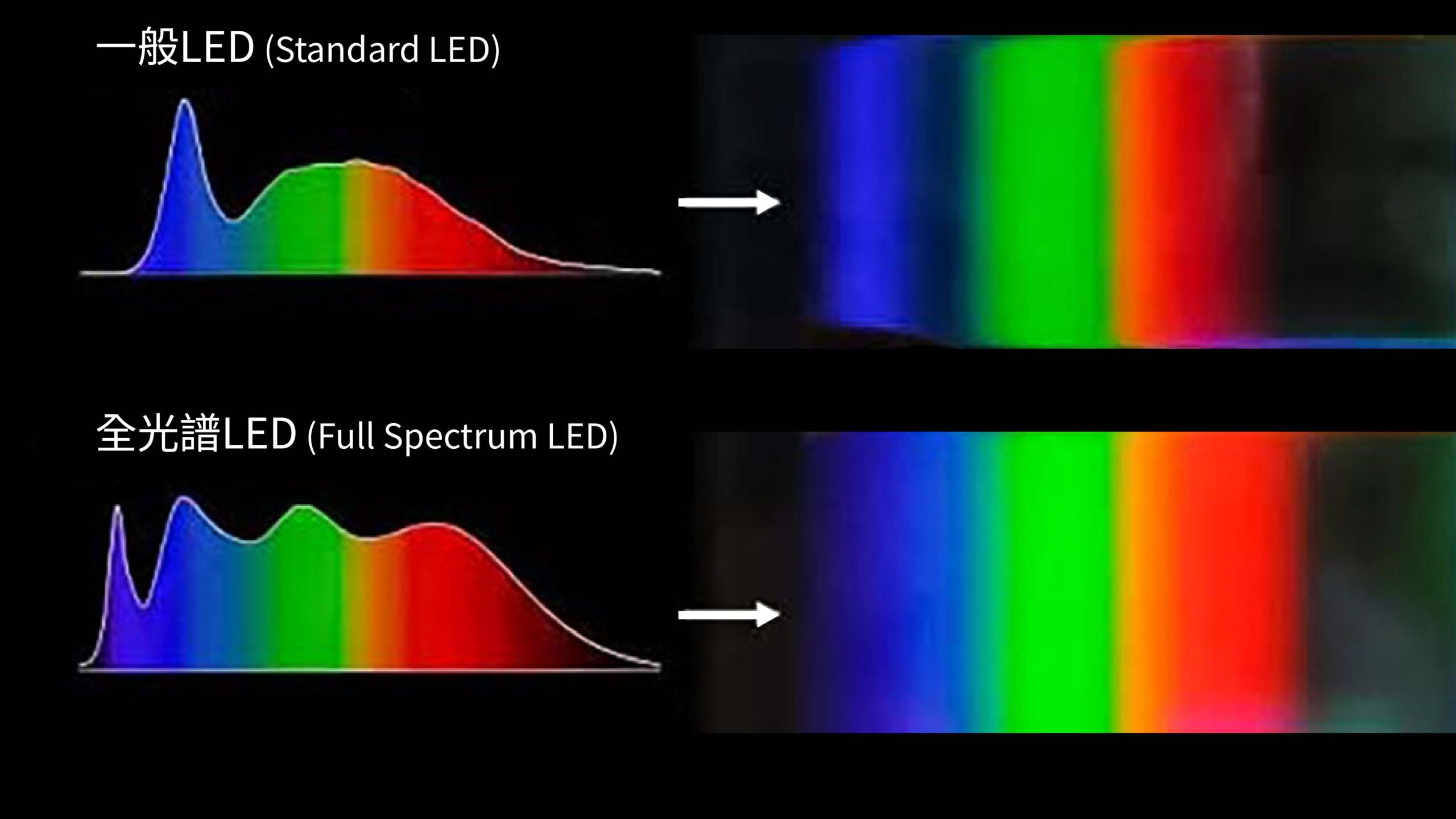
所謂「全光譜光源(Full Spectrum Light)」指的是光譜分佈更接近自然光的人工光。它透過改良晶片結構與多層螢光粉配比,在藍光、綠光、紅光三個主要波段中取得平衡。
目的是讓人眼在人工照明下,也能看到與自然光幾乎一致的顏色關係。
全光譜燈的 SPD 曲線會更「圓滑」、更「連續」,紅區段(600–700nm)特別被強化。這讓膚色更有血色、食材更鮮亮、木材更溫潤、布料更柔和。
.但全光譜並不意味「更亮」
它追求的不是光通量,而是光質。就像照片調色一樣,真正專業的光,是讓顏色自然呈現,不是讓顏色更誇張。
.高CRI ≠ 全光譜
很多人認為只要顯色指數(CRI)高,光就一定好。事實上,CRI 只是描述光源對「標準測試色」的平均還原能力。它告訴你顏色準不準,但不告訴你「完整不完整」。
A full spectrum light source
is designed to replicate the spectral distribution of natural light.
By refining chip structures and using multi-layer phosphor blends, it balances blue, green, and red wavelengths so that the human eye perceives colors nearly identical to those seen under sunlight.
In its SPD curve, full spectrum light appears smooth and continuous, with a noticeable enhancement in the red region (600–700 nm). The result: healthier skin tones, vivid food colors, warmer wood grains, and softer fabrics.
.But full spectrum doesn’t mean brighter.
It’s not about higher luminous flux—it’s about better light quality.
Like color grading in photography, professional light isn’t about exaggeration, but authenticity.
.High CRI ≠ Full Spectrum
Many believe that as long as the CRI (Color Rendering Index) is high, the light must be good. In reality, CRI only measures how well a light source reproduces a set of standardized color samples. It tells you whether colors are accurate, but not whether the spectrum itself is complete.
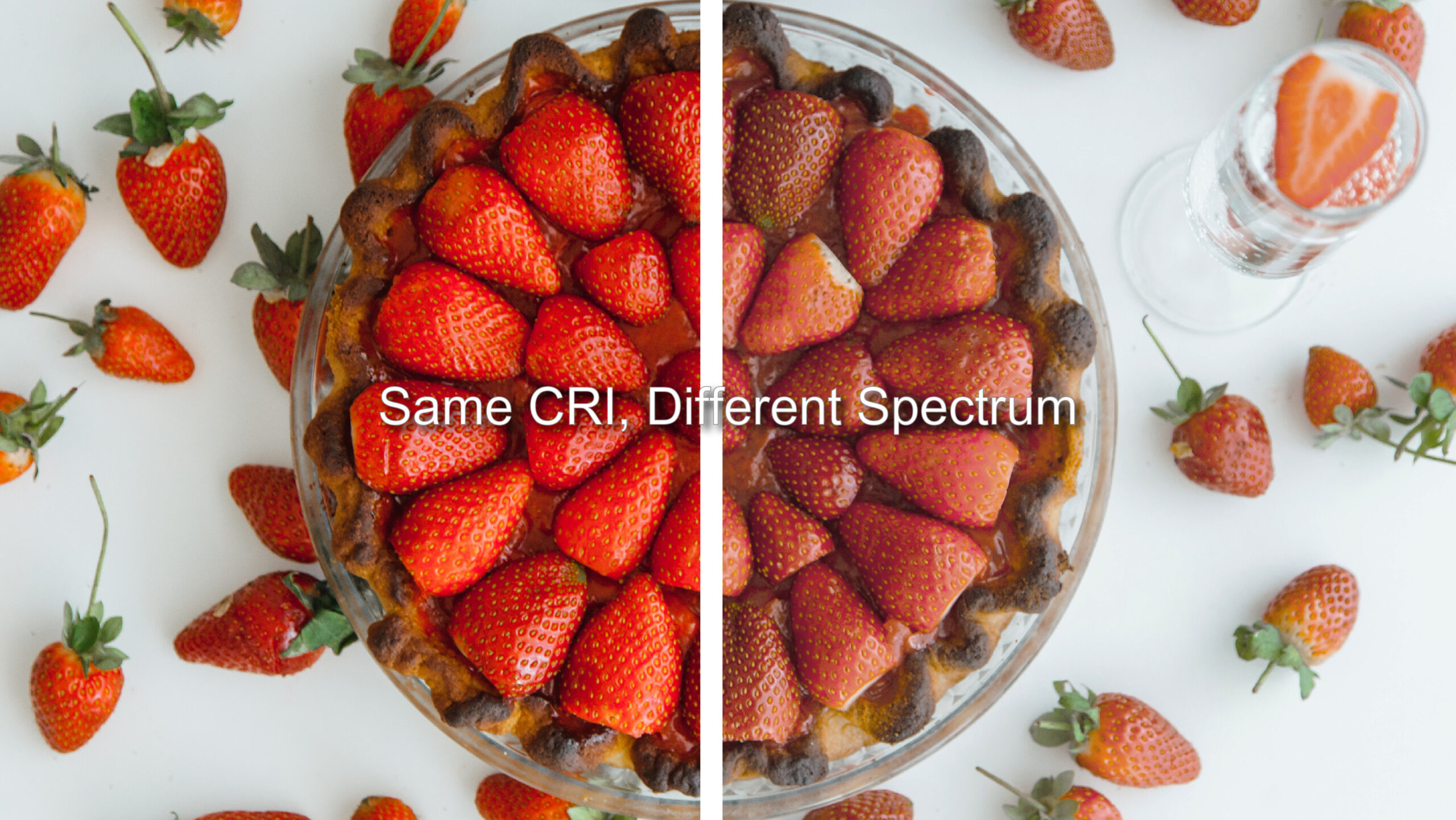
我們來舉個例子:
有些燈具的 CRI 高達 95,但光譜在紅光段能量仍偏低。
這樣的光在測試色卡上表現漂亮,但照在人物或花卉上,卻仍然略顯蒼白。
相反地,一盞全光譜光源可能在數據上只標示 CRI 95,但由於它的 R9(紅光指數)和 R12(藍綠指數)更高,實際看起來的顏色飽和、層次豐富、視覺更立體。
換句話說:👉 CRI是成績單,全光譜才是實力。
全光譜技術的目標,不是追求更高數值,而是追求光譜的均衡,讓每個顏色都被公平對待。
For example,
some lights score as high as CRI 95 yet still lack red energy.
They perform well on color charts, but make skin tones and flowers appear pale in real life.
Conversely, a full spectrum light might also measure CRI 95, but with stronger R9 (deep red) and R12 (blue-green) values, its colors look richer, deeper, and more dimensional.
In other words: 👉 CRI is the report card; the spectrum is the performance.
The goal of full spectrum lighting isn’t just higher numbers—
it’s balance.
Every color deserves to be illuminated fairly.

那麼,光譜與人體的關係?
光不只是照亮物體,也深深影響著我們的身體。
人眼的視覺感受對不同波長有不同敏感度,缺乏紅光的環境會讓臉色顯得疲倦;藍光過強的環境則容易造成視覺緊繃與睡眠干擾。
全光譜光源的光譜更接近自然日光,能降低視覺疲勞、提升色彩辨識準確度。長時間在這樣的光線下工作或學習,眼睛不容易乾澀,色覺也更穩定。
因此,近年來許多醫療空間、學校與辦公室,開始採用全光譜照明。
它不只是讓顏色「好看」,更讓光線「舒服」。
How the Spectrum Affects the Human Body?
Light doesn’t only illuminate objects—it influences our physiology.
The human eye responds differently to different wavelengths. A lack of red light makes faces appear tired and pale, while excessive blue light causes tension and disrupts sleep.
Because its distribution more closely resembles daylight, full spectrum lighting reduces visual fatigue and improves color accuracy. Under this kind of light, eyes stay more comfortable and color perception remains consistent even after long hours of work or study.
That’s why full spectrum lighting is increasingly used in hospitals, classrooms, and offices— not just to make things look good, but to make the light itself feel good.
UGR Application Ranges
全光譜的實際應用
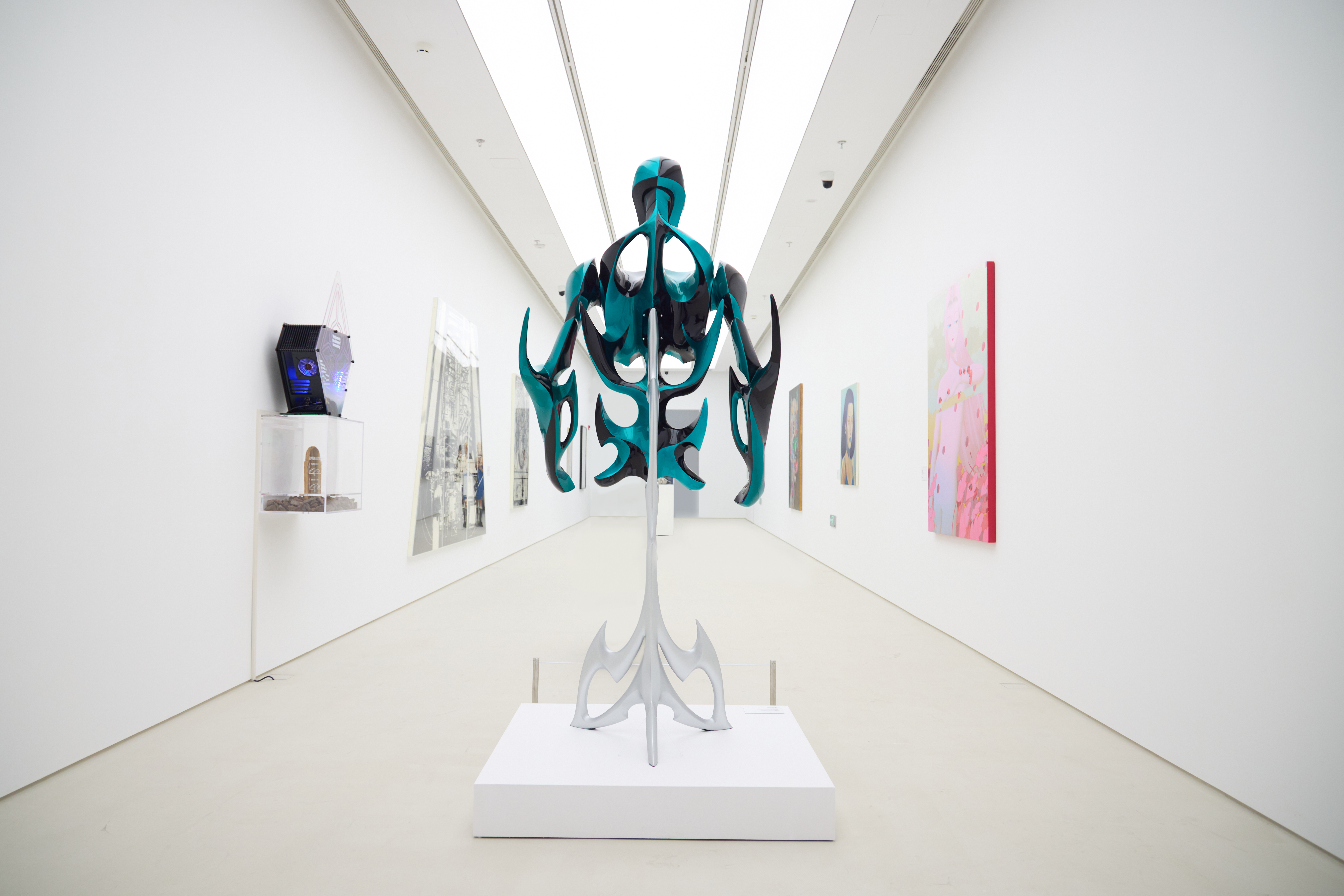
博物館與藝廊
在展示藝術品時,光的精確度極為關鍵。全光譜燈能完整呈現顏料與材質原貌,
避免因光譜缺陷造成偏色,讓作品在不同燈下都維持真實色彩。
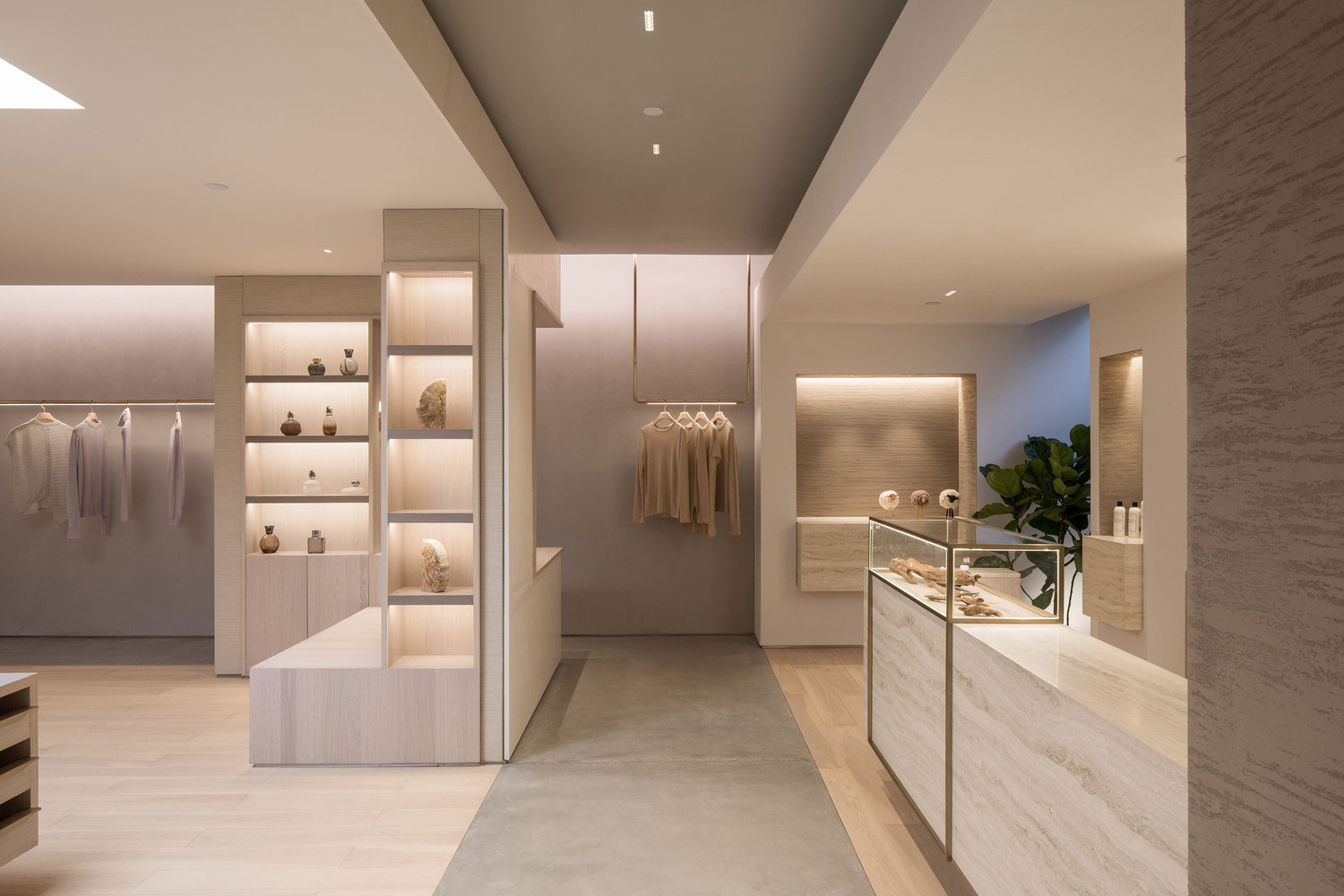
精品與服飾空間
顧客挑選商品時,最怕顏色誤判。
全光譜光能讓布料與金屬質地更立體,即使移到自然光下,也不會色差明顯。
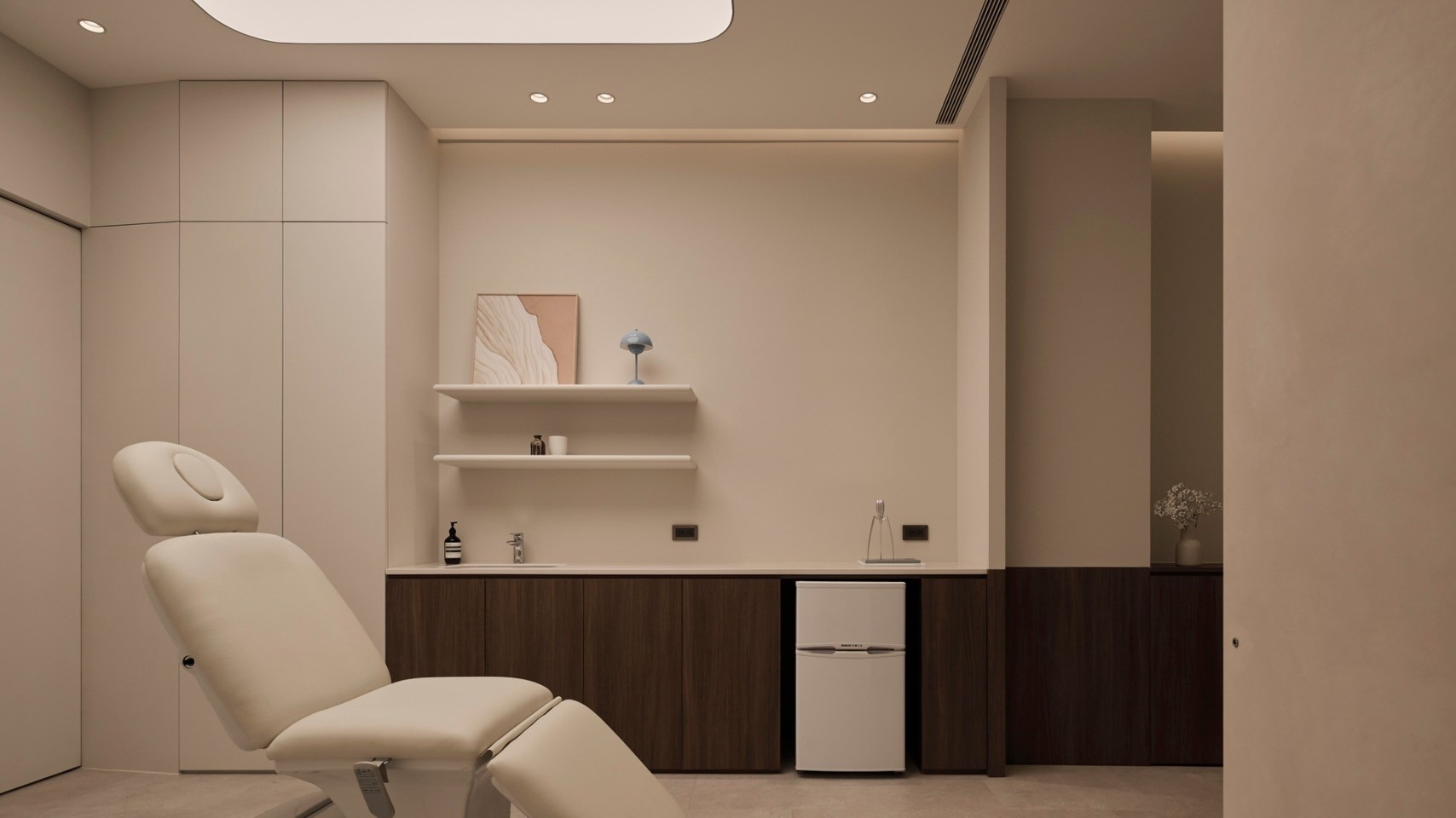
醫療與美容照明
醫師在辨識皮膚色澤、化妝師在修整膚色時,需要真實而穩定的光。
全光譜光源讓細微色差明顯可辨,同時維持柔和不刺眼。
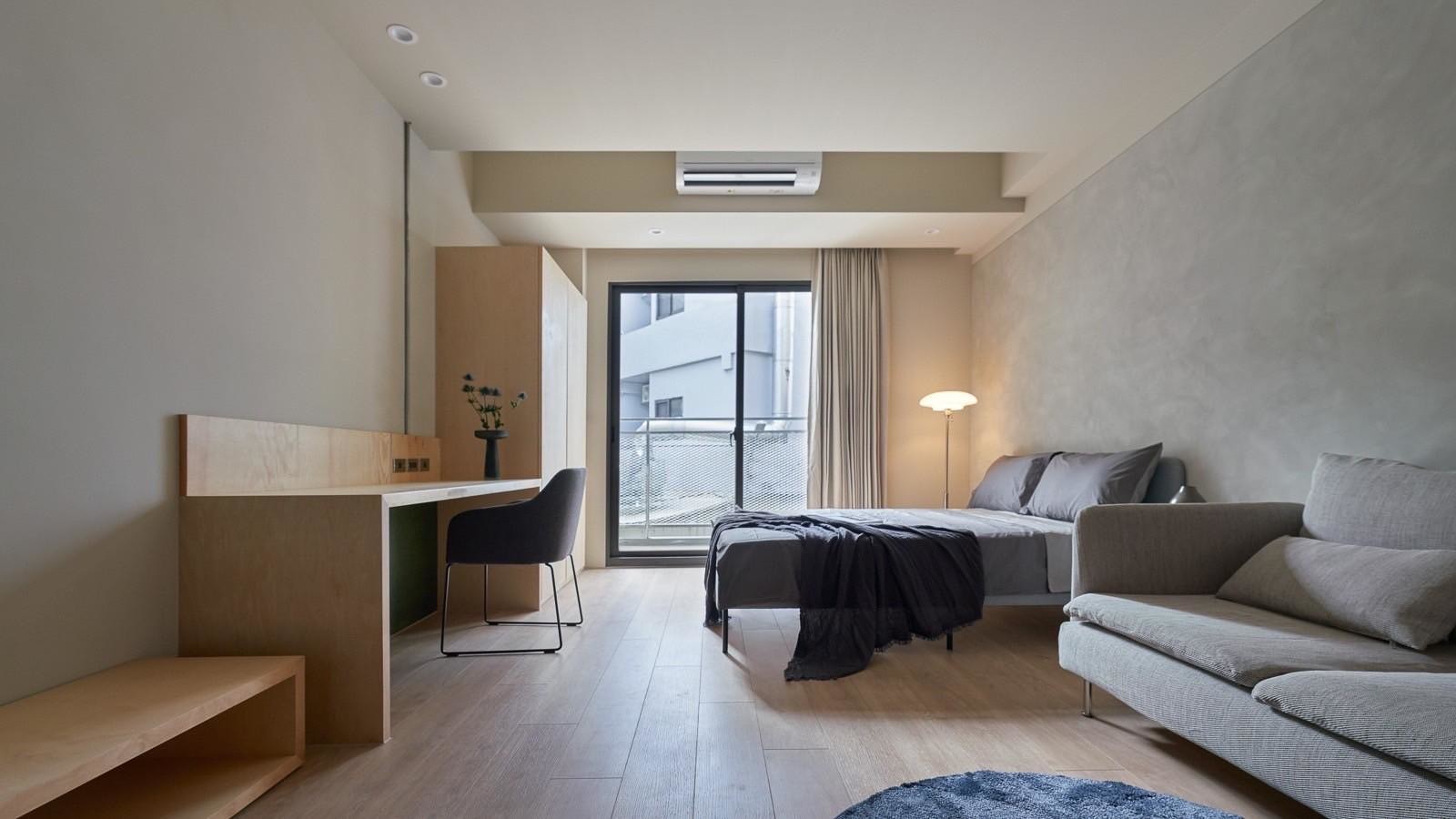
居家與攝影場域
在家中閱讀、繪畫或拍攝,全光譜燈能讓畫面乾淨、色彩準確。
即使白牆、木質或布料交錯,仍能保有層次與深度。
When the Spectrum Is Complete, Light Gains a Soul
當光譜完整,世界才完整

當我們談照明,最終想追求的從來不只是亮度。光的價值,在於它能讓我們看見世界應有的樣子。當光譜完整時,顏色自然回歸,空間也會變得真實。那種「空氣乾淨」、「色彩平衡」、「材質有呼吸」的感覺,並不是設計手法,而是光線本身的品質。
對設計師而言,全光譜光源讓顏色控制更準確,不必再依賴後製或調色去修正偏差;對使用者而言,它是一種無需察覺的舒適,能在長時間照明下仍維持清晰與放鬆。這樣的光,既理性又感性,既科學也人性。
光譜是一道看不見的橋,連接著物體的顏色與人眼的感受。
當光譜斷裂,世界會失真;當光譜完整,世界就會被看見。
全光譜照明不是新名詞,卻是未來光品質的核心。因為真正的好光,不只是「讓人看清楚」,而是「讓人看得真」。
In lighting design, what we truly pursue isn’t brightness—it’s clarity of perception. When the spectrum is complete, colors fall into place and spaces become real. That feeling of clean air, balanced tones, and living textures doesn’t come from design tricks—it comes from the light itself.
For designers, full spectrum lighting provides precise color control without relying on post-adjustment or color correction. For users, it creates an effortless sense of comfort—clarity without strain, vibrancy without glare. This kind of light is both rational and emotional, scientific and human.
The spectrum is an invisible bridge that connects the colors of objects with the perceptions of the eye. When the bridge breaks, the world becomes distorted; when it is complete, the world is revealed as it truly is.
Full spectrum lighting isn’t a new term, but it represents the core of future lighting quality. Because good light isn’t just what helps us see—it’s what helps us see truth.
在下一篇〈擬真光〉中,我們將深入探討——當全光譜結合高顯色與穩定色溫,光線如何變得「更像自然光」。
We’ll explore how combining a full spectrum source with high color rendering and stable color temperature brings artificial light even closer to the authenticity of daylight.
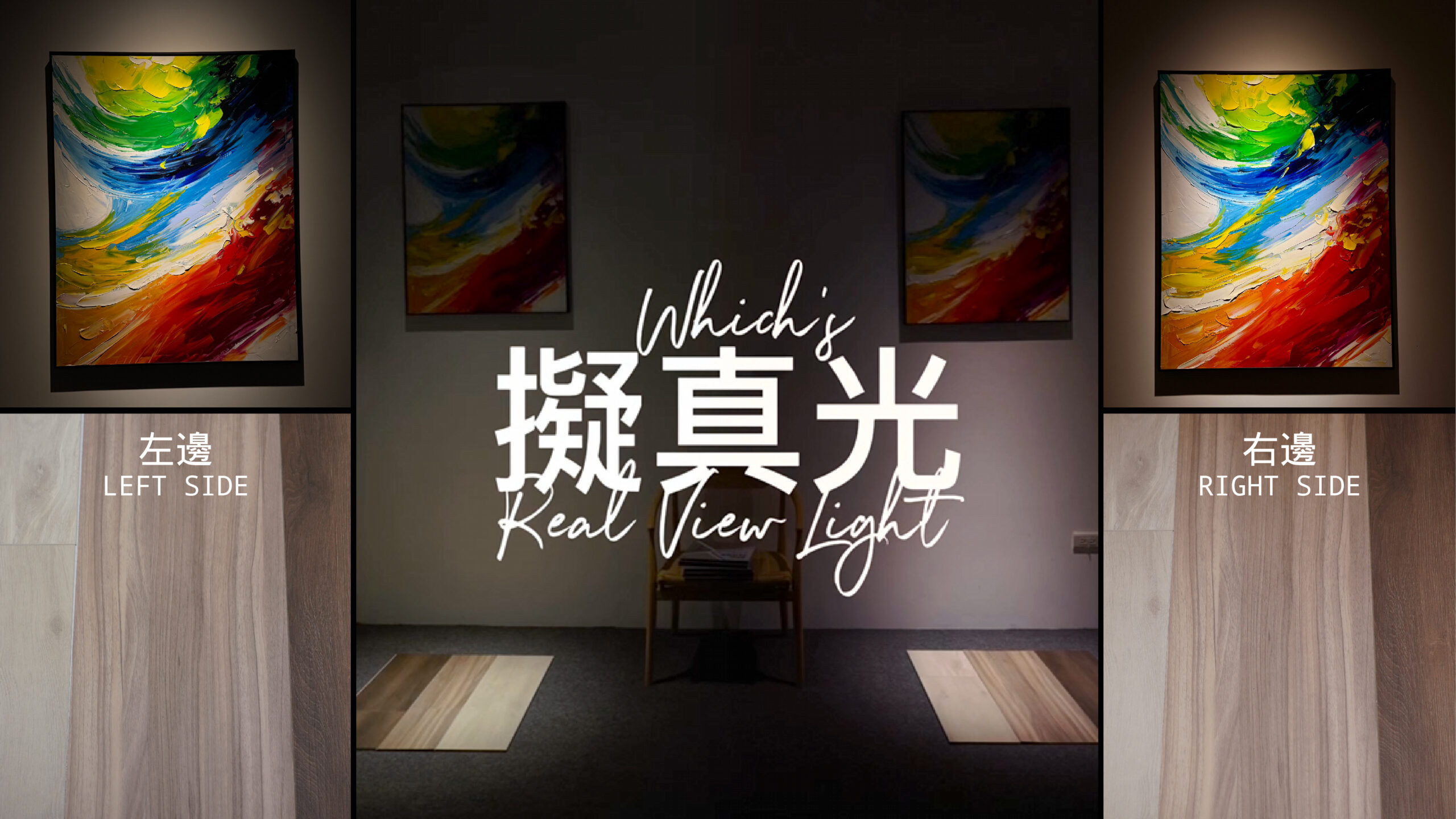
擬真光:讓顏色回到最真實的樣子
The Integrity of the Spectrum: Fro…
空間照明的隱形殺手──眩光
Why Does Glare Occur?為甚麼會形成眩光? Uni…